Saturday, April 28, 2012

Constipation and Fiber


Constipation means having a difficult time eliminating feces from the bowel. To prevent it, it is essential to consume fiber and water on a regular basis.  Excessive use of laxatives, deficiency of exercise and in diet can cause constipation. It is recommended for women to take 25 grams of fiber while men should take 38 grams of fiber every day. In addition, when people turn 50 it is suggested to take 21 grams for women and 30 grams for men each day. People should be more knowledgeable about the two types of fiber: soluble and insoluble. Soluble fiber consists of absorbing contents in one’s body; whereas insoluble fiber is the substance that makes up our stools, easing the process through the colon (Natural Fiber Foods & Constipation). I don’t think people take heed in observing their bowel movements, unless they find a problem to it. It can be difficult to take notice of one’s bowel movements because it is not aspect of a person’s health deemed as important or significant. People are concerned with other components of their health, so constipation and its effects in the later future are probably viewed later in life today because that is when the effects are going to be more visible.

http://www.livestrong.com/article/82403-natural-fiber-foods-constipation/

Thursday, April 19, 2012

Voice Box: Keep it Safe


We learned about the respiratory system and there were a few key ideas that grasped my interest. The larynx is the voice box, which contains the glottis that is comprised of vocal cords. Vocal cords vibrate, and it enables the larynx to produce a pitch. As we age, our voice becomes hoarse, but I was interested to find out ways we can delay the process. There are a few techniques that stood out to me. For example, I discovered that consistently drinking fluid helps with maintain the vocal cords intact. Hydration of the body enables fluid to be lubricated by substances that are similar to saliva. Another way we can avoid having a greater damage in our voice as we age is to avoid shouting. Shouting makes the larynx work harder to produce speech due to its intensified tone of voice. Professionals, such as teachers, city traders, and telephone workers are more susceptible to exacerbating their voices (The Aging Voice). It is important to avoid raising one’s voice because it can agitate the vocal cords, causing the larynx to put more effort to work appropriately.

We take advantage of our voices many times. Although we are fortunate to have them, we must take heed of how do we apply our voices in our daily lives because, as many other bodily functions, our voices will deteriorate overtime. 


Sunday, April 15, 2012

Alzheimer's Disease


Amongst the many topics we learned in class, Alzheimer’s disease is one in which that is prevalent in the aging population. We learned about the cell biology of the disease, which contributes to neurons dying due to the formation of neurotic plaques and neurofibrilliary tangles. The neurons that are affected are acetylcholine-releasing neurons.

Researchers have not found a cure for Alzheimer’s, but there are treatments involved with acetylcholinesterase, the enzyme that prevents the activation of ACh. These treatments lessen the symptoms of the disease. Inhibiting acetylcholinesterase hampers the breakdown of the enzyme, which compensates for the reduction of the enzyme in the disease (IA5. Clinical Application: Acetylcholine and Alzheimer's Disease).

I think Alzheimer’s disease is highly complex to muster up a method to terminate the disease. However, treatments that focus on reducing the enzyme that prevents the launching of ACh is a good step in lessening the symptoms. I think the disease might lessen if the enzyme is inhibited because it was one of the ways that causes the disease.


http://web.williams.edu/imput/synapse/pages/IA5.html

Sunday, April 1, 2012

Hypertension and Eye


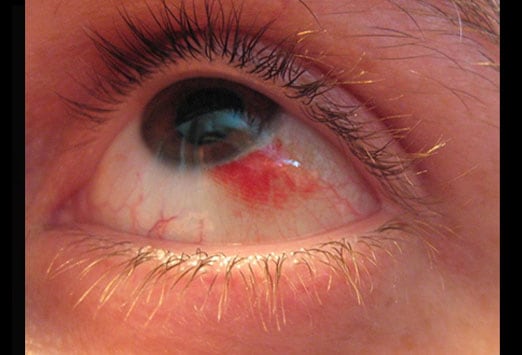
Last week in class I learned about hypertension, or high blood pressure.  High blood pressure is when it increases the work the heart has to do to pump blood to all areas of the human body. Due to the heart’s workload, it can cause heart attacks, strokes, kidney dysfunctions, and many other life-threatening circumstances. Amongst the many other unhealthy conditions, there is vision problems and blindness. Changes in vision can occur because pressure in the blood vessels can cause them to rupture or bleed. In addition, the optic nerve (the nerve that sends impulses to nerve tracts) may end up swelling. Hypertension can harm the retinal blood vessels that provide for the eye.  When this happens, it is called hypertensive retinopathy.  The blood vessels turn stiff due to the massive pressure, causing them rupture and overflow the retina with blood (Retinopathy - forms, symptoms and treatment). You may have symptoms of headaches, blurry vision, and a few others.  I found this interesting because I have always thought of high blood pressure only directing affecting the heart since the heart is major organ that is involved with hypertension. Reading more about this harmful condition helped me to remember that blood vessels encompass our entire body and we must take heed of what we do to one part of the body because more than likely it can affect another area of our bodies.


http://www.beltina.org/health-dictionary/retinopathy-forms-diabetes-symptoms-treatment.html